Cute Animals with Veggies: Fresh Graphics & Illustrations
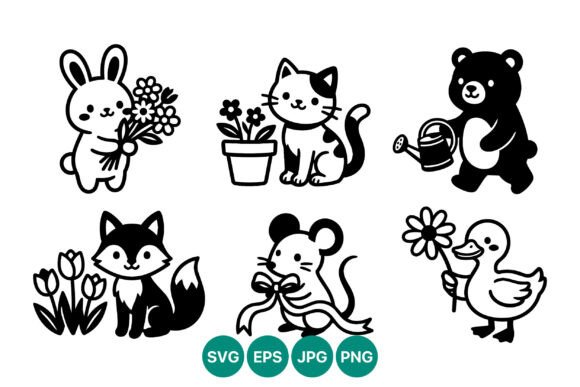
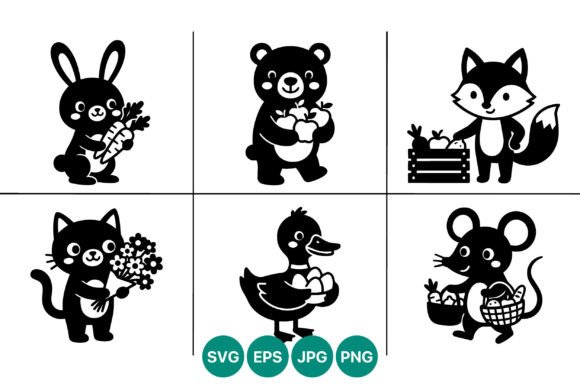
As a digital publisher who has spent years refining the visual identity of multiple content sites, I approach every new graphic design asset with a critical eye. It is not enough for an image to be "cute"; it must serve a functional purpose within an editorial workflow. Upon first reviewing Cute Animals with Vegetables and Flowers, my immediate impression was one of whimsical charm balanced by surprising versatility. This collection features a delightful array of black-and-white cartoon characters, including a rabbit clutching carrots, a bear surrounded by apples, a fox managing a crate of fresh produce, a cat nestled among flowers, a duck with eggs, and a mouse hauling baskets of goods. While the subject matter leans heavily into the playful and lifestyle-oriented, the monochromatic style offers a clean, modern aesthetic that can elevate serious content when used correctly.
Establishing Editorial Mood and Reader Trust
The mood created by these illustrations is inherently welcoming. In the crowded space of content marketing, where readers are often bombarded with stock photography that feels sterile or overly staged, hand-drawn style assets create an instant emotional connection. This specific set feels educational yet approachable, making it ideal for niches such as parenting blogs, sustainable living guides, gardening resources, or even children's educational platforms. The lack of color in the base files is a strategic advantage; it allows you, the designer, to dictate the emotional temperature of the piece. By keeping the lines crisp and black against white, the asset maintains a level of professionalism that prevents it from looking childish, ensuring that your brand identity remains intact while adding a touch of personality.
When integrating these into a real publishing workflow, the impact on reader perception is significant. A blog post about "Starting Your First Vegetable Garden" gains immediate authority and warmth when paired with the image of the fox and his crate of vegetables. It signals to the reader that the content is curated with care. This attention to detail fosters reader trust, a crucial metric for affiliate marketers and newsletter creators who rely on long-term engagement. The visual hierarchy becomes clearer because these distinct characters act as anchors, drawing the eye without competing with bold headline typography.
Practical Applications in Content Publishing
The true value of Cute Animals with Vegetables and Flowers lies in its adaptability across various digital formats. For bloggers and website owners, these graphics are perfect for creating cohesive category thumbnails. Imagine a sidebar where each niche is represented by a different animal; the rabbit for nutrition, the bear for harvest recipes, and the cat for home decor. This creates a strong visual identity that helps users navigate your site intuitively.
For social media strategists, particularly those focusing on Pinterest, these assets are gold. A vertical Pinterest pin featuring the mouse carrying baskets, overlaid with a compelling serif headline, can drastically improve click-through rates. The high contrast of the black ink works exceptionally well on mobile feeds where screen real estate is limited. Furthermore, these images are excellent candidates for lead magnets and downloadable resources. You could easily incorporate them into a printable garden planner, a coloring page for kids, or a checklist for seasonal cooking, adding perceived value to your free offerings.
In terms of web design, these illustrations shine as editorial accents. They break up long blocks of text in long-form articles, keeping the reader engaged. They also work beautifully in newsletter headers, providing a friendly greeting before diving into the week's content. If you are building a digital guide or an eBook, using these characters as chapter markers can create a narrative thread that guides the reader through the material.
Optimizing for Performance and Visual Hierarchy
To maximize the potential of this digital download, one must consider how it interacts with other design elements. These assets support content performance by offering a consistent visual language. When a reader sees the same style of illustration across your blog graphics, social posts, and email campaigns, brand recognition skyrockets. However, placement is key. These images work best as hero images or featured graphics where they have room to breathe. They are less effective when shrunk down to tiny mobile thumbnails where the intricate line work of the flower petals or vegetable textures might blur.
Caution is advised when using these in very corporate or strictly minimalistic environments. While the black-and-white palette is clean, the subject matter is undeniably whimsical. Using the duck with eggs on a serious financial advice page might undermine the gravity of the topic unless used ironically or in a very specific "family finance" context. Additionally, avoid placing these graphics over busy backgrounds or low-contrast areas, as the fine lines may get lost, reducing the professional polish you are aiming for.
Technical Considerations for Publishers
Before deploying Cute Animals with Vegetables and Flowers across your monetized sites or affiliate pages, there are several practical steps to take. First, always test the visuals on both desktop and mobile screens. What looks crisp on a 27-inch monitor might appear muddy on a smartphone if the file resolution isn't optimized. Ensure you compress the images properly for web performance to avoid slowing down your page load times, which is a critical factor for SEO.
Typography pairing is another essential experiment. Try placing these illustrations beside various font styles. A elegant script font might complement the flowers held by the cat, while a bold sans-serif could ground the image of the bear with apples, making it feel more modern. Handwritten fonts can enhance the DIY feel, while display fonts can turn the image into a powerful poster. Always preview the asset inside your actual blog layout to ensure it aligns with your grid system.
Finally, and most importantly, verify the licensing terms. As a professional publisher, you must confirm that the commercial license covers your specific use cases, especially if you are selling digital products like planners or using the images in paid advertising campaigns. Understanding the rights associated with this creative marketplace find ensures that your small business branding efforts remain legally sound. When used with intention and technical precision, this set of illustrations becomes more than just clip art; it becomes a foundational element of a polished, trustworthy, and engaging content strategy.