Review: Whimsical Spring Flowers Clipart for Embroidery
As a designer who spends more time at the hoop than away from it, I approach every new design asset with a critical eye. It is not enough for an image to look pretty on a screen; it must translate effectively into thread, withstand the tension of the machine, and hold up on the final garment. Recently, I evaluated the Whimsical Spring Flowers Clipart collection to see if these files could serve as viable foundations for real-world embroidery projects. While the product description explicitly states these are PNG files intended for sublimation and printing, my goal was to determine if they offer enough visual clarity to be traced, digitized, or used as reference for creating custom machine embroidery designs.
First Impressions and Visual Personality
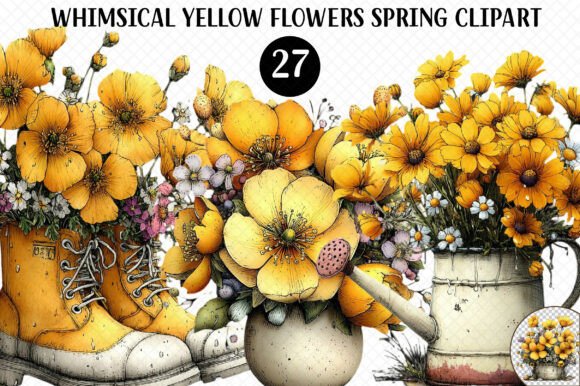
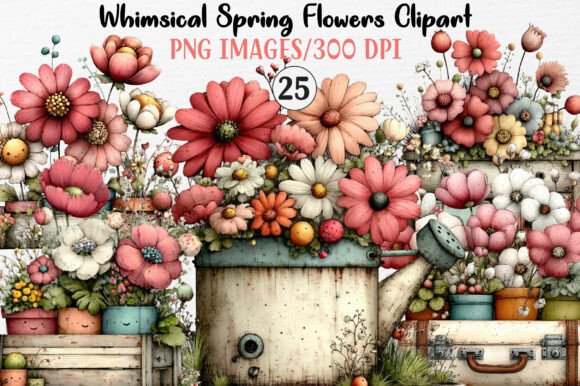
Upon opening the files, the immediate mood is light, airy, and undeniably cheerful. The Illustrations feature soft curves and organic shapes that capture the essence of a blooming garden without feeling cluttered. For an embroiderer, this "whimsical" quality is a double-edged sword. On one hand, the flowing lines suggest beautiful satin stitch borders or delicate running stitch outlines. On the other hand, the lack of defined layers in a PNG format means the burden of interpreting depth and texture falls entirely on the digitizer or the crafter adapting the image.
The color palette inherent in these Graphics leans toward pastels and vibrant spring tones. When envisioning this as a finished product, I immediately thought of how these colors would pop against neutral backgrounds. However, because these are raster images and not vector-based embroidery files, one cannot simply import them into embroidery software and expect automatic stitch generation. They serve best as high-quality references for manual digitizing or as print-and-stitch templates for those who enjoy tracing designs onto fabric before applying fill stitch techniques.
Real-World Application: The Custom Tote Bag Scenario
To test the viability of this design, I imagined a specific client request: a boutique order for fifty reusable tote bags for a local farmers' market. The client wanted something that felt handmade but professional. Using the Whimsical Spring Flowers Clipart as a guide, I visualized placing a large floral cluster on the lower corner of a canvas tote bag design.
In this scenario, the simplicity of the flower shapes works in our favor. Complex details often get lost in thick canvas, but the bold outlines of these flowers would translate well into a dense fill stitch or a textured appliqué. If I were to create an applique design based on these images, the whimsical nature allows for slightly raw edges or decorative stitching around the perimeter, adding to the handmade charm. For a small shop product, this approach adds perceived value. Customers are willing to pay more for items that look uniquely crafted rather than mass-produced, and starting with distinctive clipart helps achieve that bespoke look.
Adapting for Apparel and Home Decor
Beyond tote bags, these images have potential for custom apparel. Imagine a lightweight sweatshirt embroidery project where the flowers are stitched in tonal threads—white on cream, or pale pink on blush. The soft aesthetic of the Whimsical Spring Flowers Clipart fits perfectly with current trends in boho-chic fashion. For baby embroidery, the gentle shapes are ideal for onesies or nursery blankets, provided the stitch density is kept low to maintain fabric softness.
However, caution is required when moving to textured fabrics or dark materials. Since these are PNGs designed for sublimation, they rely on transparency and light background interaction. If you plan to stitch these onto a navy blue cap or a black pillow cover, you must manually adjust the color scheme during the digitizing phase. Relying on the original file colors without adaptation could result in poor contrast. Always test your thread choices against the fabric texture to ensure the thread colors sing rather than mute.
Technical Considerations and Limitations
It is crucial to reiterate that these are not ready-to-stitch digital embroidery files. They are not SVGs, nor do they contain stitch data. Attempting to use them directly in an embroidery machine without proper conversion or digitizing will fail. For the Etsy seller or craft business owner, this distinction is vital. You are purchasing a visual asset, not a production-ready tool.
When adapting these Illustrations for small hoop sizes, such as on a cap or a pocket, detail loss is a significant risk. The whimsical elements might include fine lines that simply cannot be reproduced with thread at a 2-inch scale. In these cases, simplification is key. You may need to omit smaller petals or merge adjacent shapes to prevent thread breaks and bird nesting. Furthermore, on stretchy fabrics like jersey knits, a heavy reliance on dense fill stitches derived from these complex images can cause puckering. Proper stabilizer selection is non-negotiable here.
Enhancing Brand Value and Customer Trust
Using high-quality source material like Whimsical Spring Flowers Clipart elevates the professionalism of your handmade product. When a customer sees a cohesive, well-thought-out design on a personalized gift, it builds trust in your brand. Whether you are creating holiday embroidery for seasonal sales or commercial embroidery for corporate clients, the underlying art quality matters. These graphics provide a strong foundation for building a consistent visual identity across your printable mockup portfolios and physical inventory.
For those selling digital products, these images can be used to create stunning previews of what an embroidered item could look like, helping buyers visualize the potential finished product. However, always verify the licensing terms regarding commercial use before selling items made from these designs. Some clipart licenses restrict the number of physical items you can sell or prohibit using the image as the primary element of a digital file you resell.
Practical Designer Notes for Success
If you decide to move forward with using these graphics for your next embroidery project, keep these practical steps in mind:
- Test on Scrap Fabric: Never run a new adaptation on your final garment first. Stitch out your digitized version on a scrap piece of the same fabric to check for puckering and registration issues.
- Check Contrast: View your design in black and white to ensure the shapes remain distinct without relying on color differences.
- Review Stitch Density: Manually reduce density in large fill areas to prevent stiffness, especially for wearables.
- Confirm Hoop Size: Ensure your adapted design fits comfortably within your available hoop, leaving room for clamps and fabric movement.
- Inspect Small Details: Zoom in on your digitized file to ensure tiny corners and intersections have enough stitch coverage to prevent gaps.
- Verify Licensing: Double-check the product description to confirm you are allowed to sell physical goods created using these images.
In conclusion, while Whimsical Spring Flowers Clipart is not a plug-and-play embroidery file, it serves as an excellent creative springboard. With thoughtful digitizing and an understanding of how thread interacts with fabric, these images can be transformed into stunning custom apparel, charming home decor, and profitable small shop products. The key lies in respecting the medium—understanding that what works for sublimation requires translation to thrive in the world of needle and thread.