Vintage Teacup Flowers: Elegant Graphics & Illustrations
As a brand designer who has spent the last decade helping local businesses find their visual voice, I approach every new graphic design asset with a critical eye. It is not enough for an image to be pretty; it must serve a strategic purpose within a broader brand identity. Recently, I evaluated the Vintage Teacup Flowers Line Art collection for a potential project involving a boutique herbal tea shop and handmade soap business. My goal was to determine if these illustrations could elevate the client's packaging design and social media presence from generic to genuinely memorable.
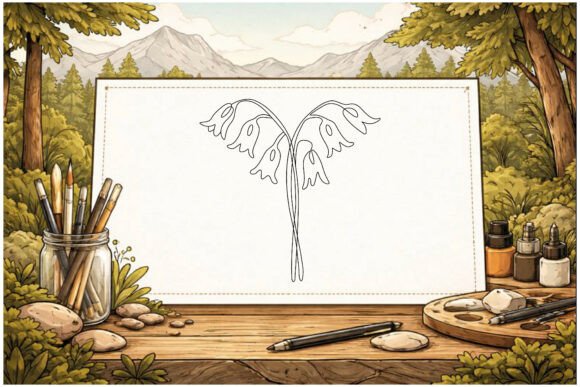
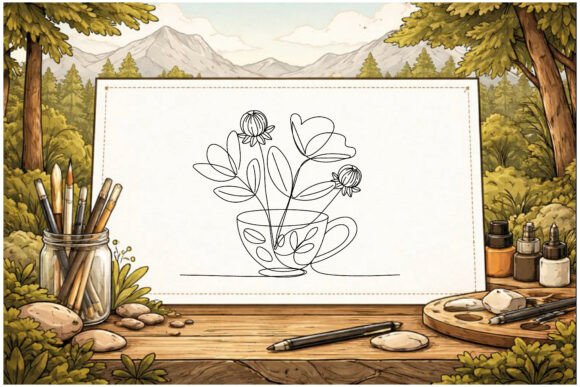
Upon first inspection, the mood created by this collection is unmistakably refined yet approachable. The line work suggests a personality that is elegant, feminine, and deeply rooted in tradition without feeling outdated. For a local business aiming to convey a sense of handmade care and organic quality, this aesthetic is perfect. It avoids the sterility of modern minimalism while steering clear of the clutter often found in rustic designs. Instead, it strikes a balance that feels premium and decorative, ideal for brands that want to tell a story of slow living and artisanal craftsmanship.
Strategic Applications for Small Business Branding
The versatility of the Vintage Teacup Flowers Line Art becomes apparent when you imagine it applied to real-world touchpoints. For the tea and soap brand I was envisioning, these graphics offer immediate solutions for product label design. A single teacup illustration, perhaps paired with a delicate script font, can serve as the hero graphic on a jar of lavender bath salts or a box of loose-leaf tea. This creates instant recognition on a crowded shelf.
Beyond primary packaging, these assets are invaluable for secondary branding elements. Imagine using the line art on hang tags attached to handmade candles or tote bags. The simplicity of the black-and-white lines allows them to print beautifully on kraft paper or textured cardstock, enhancing the tactile experience of unboxing. They are also excellent for printable design inserts, such as thank-you cards included in online orders. A small floral teacup graphic at the bottom of a note adds a personal, polished touch that fosters customer loyalty.
In the realm of social media graphics and marketing visuals, this collection provides a consistent visual language. These illustrations can be used as watermarks on product photography, backgrounds for Instagram stories, or decorative borders for promotional flyers. Because the files are typically high-resolution, they scale well for website banners and email headers, ensuring the small business branding looks professional across all digital platforms.
Elevating Product Presentation and Customer Trust
The true power of a well-chosen illustration lies in its ability to improve visual hierarchy and strengthen emotional connections. When customers see cohesive, high-quality artwork on a product mockup or physical item, their perception of value increases. The Vintage Teacup Flowers Line Art supports this by adding a layer of sophistication. It signals to the buyer that the business owner cares about details, which translates into trust in the product's quality.
For handmade business owners, distinguishing products from mass-produced alternatives is crucial. These graphics help achieve that by providing a unique decorative element that feels curated rather than templated. Whether used on a menu for a cozy café or a price list for a florist, the art directs the eye and breaks up text, making information easier to digest while maintaining an atmospheric tone. This consistency across packaging accents and promotional materials builds a stronger, more recognizable brand identity over time.
Ideal Use Cases and Design Limitations
While this asset is highly adaptable, it shines brightest in specific contexts. It is perfectly suited for boutique visuals, seasonal packaging campaigns (especially for spring or Mother's Day), and editorial design for lookbooks. It works exceptionally well as a decorative brand element on light-colored backgrounds where the line contrast is sharp. However, designers must exercise caution. This style may not fit formal corporate branding or industries requiring a stark, luxury minimalist aesthetic where any decoration is seen as noise.
Furthermore, one must be careful not to overcrowd the design. On very small labels, such as those for essential oil droppers, intricate line details might get lost during printing. It is also vital to ensure the illustration does not compete with legal information or ingredient lists. The art should support the text, not obscure it. Avoid using these graphics on low-contrast backgrounds where the thin lines might disappear, compromising readability and professional appearance.
Practical Notes for Professional Implementation
Before integrating the Vintage Teacup Flowers Line Art into a client project, several practical steps are necessary. First, always test the asset on real product mockups to gauge how the line weight translates to physical size. Check how the design performs in pure black and white, as many commercial design projects require single-color printing to save costs. Preview the graphics on small labels to ensure clarity.
Typography pairing is another critical consideration. These vintage-inspired graphics pair beautifully with serif fonts for a classic look, script fonts for elegance, or clean sans-serif fonts for a modern twist. Experiment with different combinations to find the right balance for your brand identity. Additionally, verify the file formats. If the download includes SVG or vector files, inspect the editability to ensure you can adjust line weights or colors if needed. If only PNGs are available, confirm the transparency is clean and the resolution is sufficient for large-format printing.
Finally, and most importantly, review the licensing terms. Ensure you have a valid commercial license before using these design assets for client work or physical product sales. Understanding the rights associated with the digital product protects both the designer and the business owner from legal issues. By treating these illustrations as strategic tools rather than mere decorations, local businesses can create a lasting, impactful brand presence that resonates with their community.